The Architectural Blueprint of the Corrugator Wet End
In a modern corrugated carton production line, the process of creating a sturdy box begins at the "Wet End." This is where heat, moisture, and adhesive transform flat rolls of paper into a structural medium. To the untrained eye, the machinery might look like a continuous blur of steel rollers, but it is actually divided into two distinct functional zones: the single facer corrugating machine and the double facer corrugated machine. Understanding the mechanical synergy between these two is the key to mastering the laminated corrugated board process.

The Single Facer: Creating the "Heart" of the Board
The single facer corrugating machine is often referred to as the heart of the line. Its primary job is to take a flat sheet of medium paper and press it into the familiar "S" shaped flutes. Once the flutes are formed, the machine immediately applies adhesive to the tips and bonds them to a single sheet of liner paper. This creates what the industry calls "Single Face" web-a flexible, two-layer material that looks like half a sandwich.
Advanced Technology: The Vacuum Suction Single Facer
Modern high-speed lines have moved away from old "finger-type" machines to the vacuum suction single fecer. In legacy machines, metal fingers were used to hold the paper against the corrugating rolls, which often left marks or caused snags. The vacuum system uses internal suction within the lower corrugating roll to hold the paper perfectly flat against the heated surface. This ensures uniform heat transfer and consistent flute height, which is critical for the compression strength of the final carton.
The Bridge: Buffering the Flow
Between the single facer and the next stage lies the "Overbridge." This is not just a conveyor; it is a critical buffer zone in the corrugated production line. Because the single facer corrugating machine often runs at a different speed than the rest of the plant during order changes, the bridge allows the single-face web to accumulate in large loops. This reservoir ensures that the downstream machines never run out of material, maintaining a steady laminated corrugated board process even during splicing.
The Double Facer: Building the "Skeleton"
Once the single-face web leaves the bridge, it enters the double facer corrugated machine, often professionally known as the double backer corrugator. This is where the three-layer (or five-layer) "sandwich" is completed. The machine applies glue to the exposed flute tips of the single-face web and then bonds it to the "bottom liner." Unlike the single facer, which uses intense localized pressure, the double facer uses a long series of heating plates and weighted rollers to cure the adhesive over a larger surface area.

Critical Differences: Mechanical Comparison
To better understand how to optimize your corrugated carton production line, it is helpful to compare the technical characteristics of these two sections side-by-side:
| Feature | Single Facer Corrugating Machine | Double Facer (Double Backer) |
| Primary Function | Flute forming and first liner bonding | Bonding the final liner and drying |
| Pressure Method | High-pressure rollers / Vacuum | Heating plates and ballast rollers/shoes |
| Number of Layers | Produces 2 layers (Single Face) | Produces 3, 5, or 7 layers (Finished Board) |
| Adhesive Application | Applied to fresh flutes via glue roll | Applied to pre-formed flutes on the bridge |
| Critical Component | Corrugating Rolls (A, B, C, E flutes) | Steam-heated plates and traction belts |
Managing the Laminated Corrugated Board Process
The laminated corrugated board process at the double facer is a delicate balance of heat and tension. If the double backer corrugator applies too much heat, the paper becomes brittle and the scores will crack during the folding stage. If it applies too little, the layers will de-laminate, leading to a "soft" box. Sophisticated systems now use "Pressing Shoes" instead of rollers in the double facer to provide a more even distribution of weight, ensuring the board remains perfectly flat for the downstream industrial slitting process.
Impact on Board Quality and Warp Control
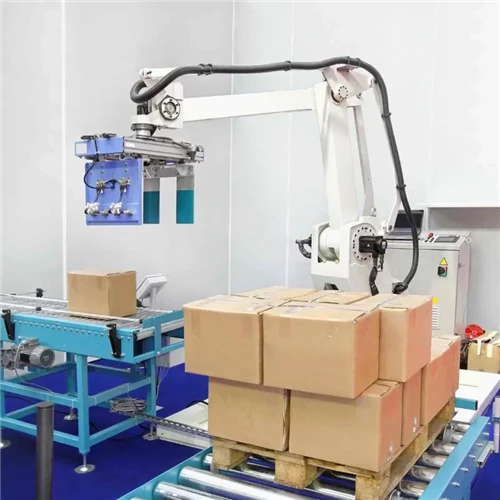
The greatest challenge in any corrugated production line is "Warp"-the tendency of the board to curl like a potato chip. Warp is usually caused by an imbalance in moisture between the paper fed into the single facer corrugating machine and the paper fed into the double facer corrugated machine. By precisely controlling the steam pre-heaters at both stations, operators can ensure that both sides of the board dry at the same rate, resulting in a flat sheet that is easy for a robotic case packer and palletiser to handle at the end of the line.
Reliability and Maintenance in the Wet End
Because the "Wet End" involves high temperatures (up to 180°C) and steam, maintenance is more demanding than in the "Dry End." The corrugating rolls in the vacuum suction single facer are subject to immense wear and must be checked for "crown" wear regularly. Meanwhile, the heating plates in the double backer corrugator must be kept free of dried glue and paper dust to ensure consistent heat transfer. Any cold spot on the plates will lead to a weak bond in the corrugated carton production line.
The Synergy of Strength
A high-performance corrugated production line relies on the perfect handoff between the single facer and the double facer. While the single facer corrugating machine defines the "cushion" and height of the box, the double backer corrugator provides the rigidity and finish. For any automated plant, mastering these two machines is the first step toward producing high-quality, stackable packaging that meets the rigorous demands of the global supply chain.