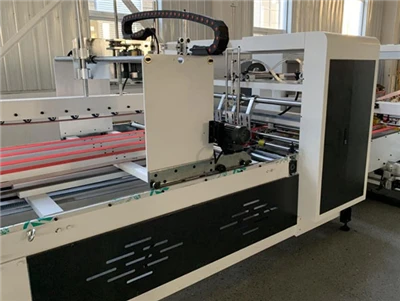
A folder gluer machine is one of the most mechanically active pieces of equipment in a box plant. It feeds blanks, folds flaps, applies adhesive, compresses joints, and stacks finished boxes – all at speeds up to 200 boxes per minute or more. Every moving part, from feed belts to folding rails to glue nozzles, is subject to wear, contamination, and misalignment. Without a structured maintenance program, downtime accumulates, glue waste increases, and box quality declines.
This guide provides a practical, task-based maintenance schedule for folder gluer machines, organized by frequency: daily, weekly, monthly, and quarterly. Each section includes specific actions, warning signs, and recommended intervals based on industry standards and manufacturer recommendations.

1. Why Preventive Maintenance Matters
Folder gluers operate under continuous stress. Belts stretch, bearings wear, glue dries and hardens on surfaces, and folding rails shift out of alignment. A machine that receives only reactive maintenance – fixing problems only after they cause shutdown – will experience:
- Higher scrap rates from misaligned folds and inconsistent glue patterns
- Increased glue consumption from clogged nozzles and improper application
- Unplanned downtime averaging 2–4 hours per month on neglected machines
- Shortened component life – belts, bearings, and glue systems wear out 30–50% faster
A documented preventive maintenance program typically costs less than 5% of the annual cost of reactive repairs and lost production. Most folder gluer manufacturers recommend a structured maintenance routine that includes daily cleaning and inspection, weekly component checks, monthly alignment verification, and quarterly professional servicing.
2. Daily Maintenance Tasks (Every Shift)
Daily tasks take 15–20 minutes and prevent the majority of common defects: glue skips, misaligned folds, and jams. Perform these at the start of each shift and after production ends.
2.1 Cleaning the Glue System
The glue system is the most maintenance-critical component of any folder gluer. Dried adhesive blocks nozzles, reduces flow, and causes inconsistent glue patterns.
| Task | Action | Warning Signs |
|---|---|---|
| Clean glue nozzles | Wipe nozzles with a damp cloth; use a soft brush to remove dried glue from tips | Uneven glue lines, glue skipping on flaps |
| Clean glue hoses and rollers | Remove any glue residue from hoses and applicator rollers | Sticking or dragging glue patterns |
| Check glue level and quality | Verify sufficient glue in tank; ensure glue is fresh and free from contamination | Stringy glue, weak bond strength |
| Drain remaining glue | Empty glue tank at end of shift; replace with fresh glue next day to prevent deterioration | Old glue thickening, clogged lines |
Why daily glue cleaning matters: Glue that sits overnight hardens and can clog the entire delivery system. Replacing glue daily costs little and prevents hours of unplanned cleaning downtime.
2.2 Cleaning the Machine Surface and Feed Path
Paper dust, glue residue, and cardboard debris accumulate on folding rails, feed belts, and sensors.
| Task | Action | Warning Signs |
|---|---|---|
| Remove loose debris | Use compressed air or a soft brush to clear dust from folding rails, belts, and guides | Jams, misaligned feeding |
| Wipe feed belts | Clean belts with a damp cloth to remove glue residue and dust | Belt slipping, inconsistent feed |
| Clean sensors | Wipe glue detection and position sensors with a soft cloth | False readings, machine stoppages |
| Clear folding area | Remove any stuck blanks or debris from folding rails | Jams, crushed boxes |
A clean feed path ensures blanks travel straight through the machine. Any debris under feed belts or on guides will cause skewed feeding and misaligned folds.
2.3 Visual Inspection of Key Components
| Component | What to Check | Warning Signs |
|---|---|---|
| Belts and timing belts | Cracks, fraying, proper tension | Slipping, uneven feed, noise |
| Folding rails | Alignment, wear, glue buildup | Asymmetric folds, box skewing |
| Pressure rollers | Condition, debris, wear | Incomplete glue bonding |
| Chain drives | Tension, lubrication | Noise, jerky motion |
Quick test: Run 10 test blanks at the start of each shift. Check fold symmetry, glue pattern placement, and box squareness. If any box is out of spec, investigate before running full production.
3. Weekly Maintenance Tasks (Every 40–60 Running Hours)
Weekly tasks take 1–2 hours. Perform during a scheduled short stop, such as a shift change or meal break.
3.1 Deep Clean the Glue System
| Task | Action | Frequency |
|---|---|---|
| Clean glue tank thoroughly | Drain, scrub with warm water and brush; remove all dried residue | Weekly |
| Inspect glue applicator rollers | Check for wear, flat spots, or damage | Weekly |
| Clean glue filters | Remove and rinse with water; replace if clogged | Weekly |
| Check glue pump operation | Verify consistent flow and pressure | Weekly |
A glue applicator roller with flat spots will apply uneven glue patterns, causing weak bonds on some boxes and excessive glue on others.
3.2 Inspect Belts and Chain Drives
| Component | Action | Warning Signs |
|---|---|---|
| Feed belts | Check tension; adjust if slipping | Belt slip, uneven blank feed |
| Timing belts | Inspect for cracks, wear, or missing teeth | Jerky motion, timing errors |
| Drive chains | Check tension and lubrication | Noise, rough operation |
Belt cleaning: Wipe all belts with clean water to prevent glue residue from building up. Glue-stiffened belts slip and cause feeding irregularities.
3.3 Check Folding Rail Alignment
Run a test blank and measure fold symmetry. If left and right folds differ by more than 2 mm, the folding rails need adjustment.
| Symptom | Likely Cause | Action |
|---|---|---|
| Left fold deeper than right | Rail misalignment | Adjust rail position |
| Fold crease not straight | Debris under rail | Clean rail surface |
| Scored line visible on outside | Excessive pressure | Reduce folding pressure |
3.4 Lubrication
| Component | Lubricant Type | Action |
|---|---|---|
| Chain drives | Chain oil | Apply light coat to all drive chains |
| Bearings (grease fittings) | NLGI 2 grease | 1–2 pumps per fitting |
| Cam followers | NLGI 2 grease | 1 pump |
| Folding rail slides | Light machine oil | Wipe with oiled cloth |
Caution: Over-lubrication attracts dust and glue residue. Follow manufacturer quantity recommendations.
4. Monthly Maintenance Tasks (Every 200–300 Running Hours)
Monthly tasks take 3–5 hours. Schedule during a weekend or low-production day.
4.1 Full Glue System Overhaul
| Task | Action | Why It Matters |
|---|---|---|
| Replace glue nozzles | Install new nozzles if worn or clogged | Consistent glue pattern |
| Inspect glue hoses | Check for cracks or hardening | Prevent leaks |
| Calibrate glue pressure | Verify pressure meets manufacturer spec | Consistent flow |
| Clean glue tank and lines | Flush entire system with warm water | Remove all dried glue |
Modern glue systems with precision application can reduce glue consumption by 20–30% compared to manual or poorly maintained systems. Regular calibration ensures these savings are realized.
4.2 Alignment Check
| Component | What to Verify | Tolerance |
|---|---|---|
| Feed belt tracking | Belts run centered on rollers | ±2 mm |
| Folding rail parallelism | Rails parallel to each other | ±1 mm |
| Glue nozzle position | Nozzles centered on glue flaps | ±1 mm |
| Stacker alignment | Stacked boxes aligned and square | ±3 mm |
Real-world impact: A folding rail out of alignment by 3 mm will produce boxes that appear skewed. These boxes may not close properly or may jam downstream equipment.
4.3 Electrical and Control System
| Task | Action | Warning Signs |
|---|---|---|
| Check sensor operation | Test all position and detection sensors | False triggers, missed triggers |
| Inspect wiring | Look for loose connections or damaged cables | Intermittent faults |
| Test emergency stops | Verify all E‑stop buttons function | Safety hazard |
| Clean control panel | Remove dust from cooling fans and vents | Overheating |
Key point: Many folder gluer stoppages are caused by dirty sensors or loose connections, not mechanical failure. A 10‑minute sensor inspection each month can prevent hours of troubleshooting.
4.4 Wear Part Inspection
| Component | What to Check | Replacement Cue |
|---|---|---|
| Fold blades | Wear, nicks, or rounding | Visible wear or inconsistent folds |
| Pressure rollers | Flat spots, hardness | Inconsistent glue bonding |
| Feed belts | Stretching, glazing, cracks | Slipping or noise |
| Bearings | Play, noise, heat | Rough rotation, overheating |
Replace any component that shows significant wear. Waiting until failure causes unplanned downtime and potential damage to other components.
5. Quarterly / Semi‑Annual Tasks (Every 600–900 Hours)
These tasks require 1–2 days and should be performed during a plant shutdown or holiday period.
5.1 Major Component Overhaul
| Component | Action | Interval |
|---|---|---|
| Fold blades | Replace if worn | 3–6 months |
| Glue nozzles | Replace | 6 months |
| Drive belts | Replace | 12 months |
| Bearings (high-use stations) | Inspect and replace as needed | 12–24 months |
| Gear drives | Inspect backlash, lubricate | 6–12 months |
5.2 Full Machine Calibration
- Verify and adjust all folding rail positions
- Calibrate glue pattern position and length using a test target
- Calibrate all sensors using manufacturer targets
- Run a full production test with 100 boxes; measure fold accuracy, glue placement, and box squareness
5.3 Documentation Update
- Review maintenance log for recurring issues
- Update spare parts inventory based on consumption
- Schedule operator refresher training if new operators have joined
6. Common Folder Gluer Problems and Their Maintenance Roots
| Problem | Most Likely Cause | Preventive Action | Frequency |
|---|---|---|---|
| Glue skipping on flaps | Clogged nozzle or low pressure | Clean nozzles daily; check pressure weekly | Daily / Weekly |
| Misaligned folds | Folding rail misalignment or debris | Clean rails daily; check alignment monthly | Daily / Monthly |
| Box skewing | Belt tracking or feed guide issues | Check belt tension weekly; clean guides daily | Weekly / Daily |
| Weak glue bond | Low glue level or incorrect viscosity | Check glue daily; replace weekly | Daily / Weekly |
| Excessive noise | Worn bearings or loose chains | Lubricate weekly; inspect monthly | Weekly / Monthly |
| Jams at feed section | Debris on feed belts or worn belts | Clean daily; replace belts as needed | Daily |
| Inconsistent speed | Belt slip or drive issues | Clean belts weekly; inspect drive monthly | Weekly / Monthly |
| Glue residue on finished boxes | Excessive glue application | Calibrate glue system monthly; clean nozzles daily | Daily / Monthly |
7. Spare Parts Inventory Recommendations
Keep these critical spares on hand to avoid extended downtime.
| Part | Typical Life | Recommended Stock Level | Lead Time Risk |
|---|---|---|---|
| Glue nozzles | 3–6 months | 2–3 sets | Low |
| Feed belts | 6–12 months | 1 set | Medium |
| Drive belts | 12–24 months | 1 set | Medium |
| Fold blades | 3–6 months | 1 set | Low |
| Pressure rollers | 12–24 months | 2–3 pieces | Medium |
| Sensors (common type) | 12–24 months | 2–3 units | Low |
| Bearings (high-use) | 12–24 months | 2–3 units | Medium |
| Glue filters | 3–6 months | 2–3 units | Low |
| Timing belts | 12–24 months | 1 set | Medium |
8. Operator Training for Better Maintenance
A well-trained operator is the first line of defense against folder gluer downtime. Train every operator to:
- Clean the glue system at the end of every shift – this single habit prevents most glue-related issues
- Listen for changes in machine sound during operation
- Observe fold quality and glue patterns every 30 minutes
- Report any abnormality immediately – do not wait until the end of shift
- Log daily checks in a simple sheet (example below)
9. Summary
A folder gluer machine is a precision finishing tool that requires disciplined, regular maintenance. The difference between a machine that runs reliably for 15 years and one that suffers constant breakdowns is not the brand – it is the maintenance culture.
Implement the daily, weekly, monthly, and quarterly tasks outlined in this guide. Train your operators to be active observers. Keep critical spares in stock. When you encounter a recurring problem, use the troubleshooting table to identify the root cause – not just a temporary fix.
The hours you invest in preventive maintenance will return as higher uptime, better box quality, lower glue consumption, and reduced waste. In a competitive packaging market, that is not just good practice – it is a competitive advantage.