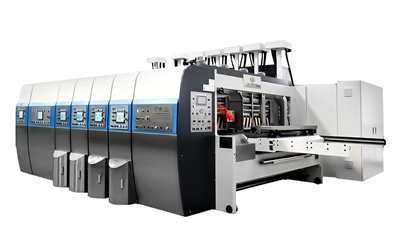
In the modern packaging industry, there is no "one-size-fits-all" solution. When selecting a double facer corrugated machine, the decision between a Heavy-Duty series and a High-Speed Compact model is a strategic one.
Both designs have evolved significantly by 2026. Choosing the right one requires a balance between your factory's physical constraints, your target paper grades, and your integration with an automatic palletizing robot. This guide provides a balanced comparison to help plant managers make an informed investment.

The High-Speed Compact Model: Optimized for Agility
Compact double facers are engineered for efficiency in restricted environments. They typically feature a heating section between 12 and 15 meters and a light-to-medium frame.
Best Fit Scenarios:
- Urban or High-Density Factories: Where every square meter of floor space comes at a premium price.
- Short-Run, High-Flexibility Production: Ideal for plants that frequently switch between small orders of standard-grade corrugated board.
- Lower Initial Capex: A practical entry point for new facilities or those testing new regional markets.
The Trade-off:
To achieve full starch gelatinization on a shorter path, these machines often operate at higher surface temperatures. This requires precise tension control to manage the increased thermal stress on the paper fibers.
The Heavy-Duty Series: Optimized for Long-Term Stability
The heavy-duty philosophy-exemplified by our 38T to 47T chassis and 21,000mm heating path-is built for industrial-scale consistency and high-speed longevity.
Best Fit Scenarios:
- High-Volume, 24/7 Operations: Where machine "stamina" and minimizing unplanned downtime are the primary KPIs.
- Heavy-Weight & High-Recycle Grades: The extended 21-meter path is essential for managing the complex moisture profiles of heavy double-wall or recycled liners.
- Advanced Automation Integration: When the plant relies on an automatic palletizing robot that demands "dead flat" board for maximum speed.
The Trade-off:
These machines require a larger physical footprint (a 21-meter drying section) and a more substantial foundation to support the 47-ton operating weight.
Technical Comparison: Mass, Length, and Energy
To understand the operational differences, we must look at the mechanical data. Our series prioritizes Thermal Inertia and Vibration Damping.
| Feature | Compact Philosophy | Our Heavy-Duty Series | Strategic Benefit |
| Heating Section | 12m - 15m | 21,000 mm | Longer path allows for lower, gentler heat gradients. |
| Operational Mass | ~25 Tons | 38T - 47 Tons | Heavier mass absorbs micro-vibrations at high speeds. |
| Motor Power | 5.5kW - 11kW | 4 kW | Optimized transmission reduces operational energy costs. |
| Maintenance Cycle | High Frequency | Low Frequency | Heavy-duty components operate well within their fatigue limits. |
The Automation Factor: Synchronization with Palletizing
The choice of double facer has a direct "ripple effect" on your automatic palletizing robot.
- Compact Output: Due to the higher thermal intensity required by shorter paths, boards may exhibit slight "stress memory." While acceptable for manual handling, this can occasionally challenge the sensors of a high-speed robotic palletizing system.
- Heavy-Duty Output: The 21-meter gradual cooling process "relaxes" the paper fibers. The result is a premium flat board that allows the automatic palletizing robot to run at its maximum rated cycles per hour without suction failure or stack misalignment.

Energy and Sustainability: The 4KW Breakthrough
A common misconception is that a 47-ton machine is an "energy hog." On the contrary, the 2026 heavy-duty series uses high-precision alignment and low-friction bearings to operate on just 4KW of total motor power.
While compact machines save space, our heavy-duty series is designed to save operational cost (OPEX) over a 15-year lifecycle. By distributing the load over a more robust frame, the energy required to maintain steady-state speed is significantly reduced.
Which Foundation Will You Build On?
The "better" machine is the one that aligns with your 5-year business plan.
- Choose a Compact Model if your priority is agility, space-saving, and low initial investment for standard market demands.
- Choose our Heavy-Duty Series if your priority is total board flatness, automation compatibility, and the lowest cost-per-square-meter over a decade of high-volume production.
In the corrugated paperboard production line, the double facer is the foundation. Whether you choose the agility of the compact or the stability of the heavy-duty, the goal remains the same: delivering quality to your customers.