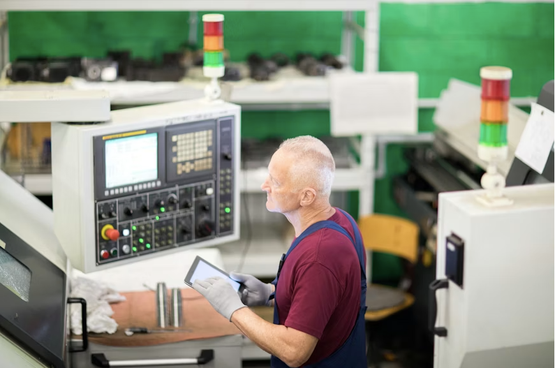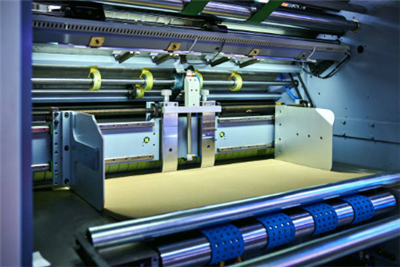
In the high-stakes, capital-intensive world of packaging manufacturing, the automatic flute lamination machine (typically in the 3.5t–8t weight class) represents a cornerstone investment. For many expanding enterprises, the second-hand market offers a tantalizing proposition: acquiring a high-speed machine at 40% to 60% of the cost of a new one. However, in the 2026 industrial landscape, where precision is measured in microns and downtime is calculated in thousands of dollars per hour, the line between a "strategic bargain" and a "financial anchor" is razor-thin.
This 2,000-word guide serves as a technical and financial manifesto for plant managers and business owners, ensuring your "Rewards" far outweigh the "Risks."
Read More: 《Flute Laminating Machine ROI 2026》
Read More:《The Definitive Maintenance Guide For High-Speed Automatic Flute Laminators》

1. The Strategic Rewards: Why Consider Pre-Owned?
1.1 Rapid ROI and Capital Preservation
1.2 Immediate Market Agility
2. The High-Stakes Risks: Navigating the "Hidden Failures"
2.1 The "Invisible" Structural Fatigue
A machine might look pristine with a fresh coat of "industrial gray" paint, but its mechanical soul could be compromised.
-
Frame Stress: If a 5-ton machine was operated in a triple-shift environment at speeds exceeding its rated capacity, the cast-iron or steel frame can experience microscopic stress fractures or permanent warping. A frame that is out of alignment by even 0.5mm over its length will cause permanent registration drift that no servo-correction software can fully rectify.
-
Bearing Housing Elongation: In machines with poor lubrication histories, the vibration from heavy rollers can "ovalize" the bearing seats. This results in a persistent "chatter" that ruins the bond quality on micro-flute jobs.
2.2 Electronic Obsolescence: The Silent Killer
In 2026, the mechanical components of a laminator are surprisingly durable, but the electronics follow Moore's Law.
-
Proprietary PLC Lockdown: Many machines built between 2015 and 2020 use proprietary PLCs. If the original manufacturer has gone bankrupt or no longer supports that specific firmware, a single blown capacitor can turn your $100,000 asset into a 5-ton paperweight.
-
Servo Drive Degradation: Older servo drives (older than 7-10 years) begin to lose their thermal efficiency. They consume more power and provide less torque, leading to "overload" errors during high-speed runs.
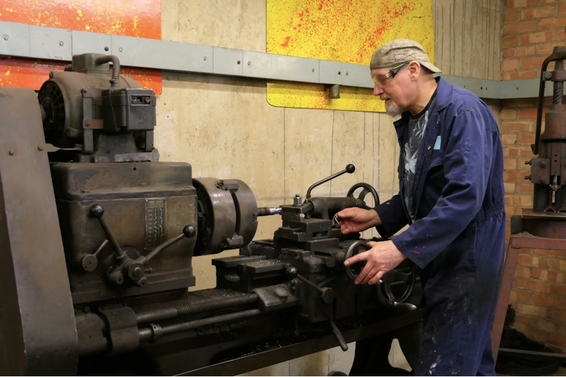
3. The 15-Point "Deep-Dive" Technical Inspection Checklist
3.1 The Anilox Cell Audit (Precision Gluing)
3.2 Parallelism and Nip-Pressure Analysis
3.3 The Vacuum Timing Valve Integrity
3.4 Encoder Pulse & Signal Integrity
3.5 Adhesive Pump & Stainless Steel Corrosion
3.6 Transport Belt Friction Coefficient
3.7 Structural Leveling Audit
3.8 Electrical Cabinet "Thermal Mapping"
3.9 HMI Error Log "Archaeology"
3.10 "Zero-Crush" Calibration Check
3.11 Pneumatic System Leak Rate
3.12 Main Drive Motor "Amp-Draw" Analysis
3.13 Safety Interlock Verification
3.14 Spare Part Interchangeability
3.15 Software/Firmware Licensing
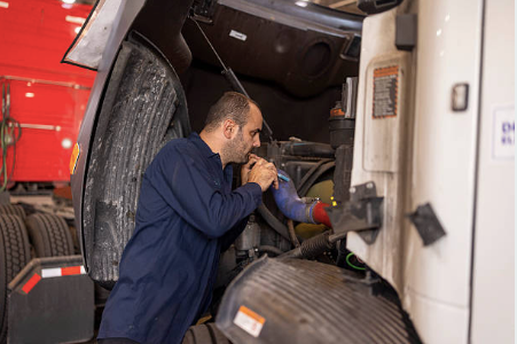
4. The Logistics of Second-Hand Procurement: Dismantling & Shipping
The risk doesn't end once the contract is signed. In fact, many 5-8 ton machines are damaged during the relocation process.
- The Dismantling Trap: Never allow a general moving company to dismantle a high-speed flute laminator. You must hire technicians who know how to label the thousands of wires and protect the precision rollers.
- Anti-Corrosion Packaging: For sea freight, the machine must be "vacuum-sealed" and coated in VCI (Volatile Corrosion Inhibitor) oil. Salt air will destroy a 2026-era PLC board in less than 30 days.
5. Financial Risk vs. Reward Matrix (2026 Projections)
| Metric | New Machine (8-Ton) | Certified Refurbished | "As-Is" Used (Market) |
| Capital Outlay | $250,000 | $160,000 | $90,000 |
| Waste Rate | 0.5% | 1.0% | 3.0% - 7.0% |
| Max Speed | 18,000 s/h | 15,000 s/h | 10,000 s/h |
| Micro-Flute Capable | Yes (Perfect) | Yes (Good) | Risk of Crushing |
| Expected Lifespan | 15+ Years | 8-10 Years | 2-4 Years (High Maintenance) |
| ROI Timeframe | 4.5 Years | 2.5 Years | 1.5 Years (If stable) |
6. The Psychological "Red Flags" of the Seller
Beyond the machine, evaluate the environment.
- The Cleanliness Factor: A factory floor covered in dried glue and paper dust is a clear indicator that the automatic flute laminator machine was never maintained. Maintenance is a habit, not a task.
- The "Hurry-Up" Sale: If the seller is pushing for a 24-hour decision, they are likely hiding a catastrophic failure that only appears after the machine reaches "operating temperature" (usually after 2 hours of running).
7. Strategic Advice: The "Middle Path" - Refurbishment
If the "As-Is" risk is too high, but the "New" price is too steep, consider a Certified Refurbishment. This involves buying a used 5-ton frame and stripping it down to the cast iron.
- The Reward: You replace the 2015 electronics with 2026 Smart AI-capable PLCs and new high-efficiency servo drives.
- The Result: You get a machine with the "bones" of a heavy-duty legend and the "brain" of a modern high-speed performer, usually for 70% of the cost of new.
8. Conclusion
Buying a second-hand automatic flute laminator machine is not a gamble if you approach it as an engineer, not just a financier. In 2026, the rewards of rapid market entry and debt minimization are more valuable than ever, but they must be guarded by a rigorous, 15-point inspection of the "Anilox-to-Servo" chain.
Final Tip: Never buy a second-hand machine without a "Final Run-In" clause. This clause should state that the last 20% of the payment is withheld until the machine produces 10,000 consecutive sellable sheets at its rated speed on your factory floor.
If you find a machine with a clean chassis, mainstream electronics, and a transparent service history, you haven't just bought a piece of equipment-you've secured a high-margin future for your packaging business.