Importing a corrugated cardboard production line or a high-speed carton box production line from China in 2026 is a strategic move that can define a plant's competitiveness for the next decade. Chinese manufacturing has entered the "Globalization 2.0" era, offering not just cost-effective hardware, but complex systems integrated with AI and IoT.
However, as the global trade environment becomes more intricate, the risks for buyers have shifted from simple "quality issues" to complex challenges in compliance, logistics, and long-term operational support. Avoiding these eight critical mistakes will ensure your corrugated carton production line translates into sustained profitability.

1. Prioritizing "Sticker Price" Over Total Cost of Ownership (TCO)
The most common mistake is selecting a supplier based solely on the lowest FOB quote. In the corrugated packaging market trends of 2026, the initial purchase price usually represents only 40% of the machine's lifetime cost.
- The Component Trap: A cheaper automatic box gluing machine often hides low-end PLC systems or bearings with a very short lifespan. If a core servo motor fails after six months of operation and it is a non-standard brand, your entire production line will be stuck in a long wait for proprietary parts.
- Energy Costs: With global green energy regulations tightening, an older-style machine that consumes 20% more power will generate extra electricity bills over three years that easily offset any initial savings.
- The Fix: Always request a TCO breakdown for five years, including an estimated list of wear parts and power consumption standards per 1,000 square meters of board.
2. Neglecting HS Code Precision and Customs Compliance
In 2026, customs authorities have reached an unprecedented level of scrutiny regarding the classification of industrial equipment. A minor error in documentation can lead to the seizure of goods, accruing thousands of dollars in demurrage fees daily.
- Whole Line vs. Split Declaration: When importing a complete corrugated cardboard production line, the classification logic of the HS Code is vital. For example, whether a Thin Blade Slitter Scorer is declared as part of the whole line or as an independent machine directly affects the tariff rate and clearance speed.
- Documentation Consistency: 2026 digital customs requirements demand absolute consistency between packing lists, invoices, and machine nameplate information. If an inspector finds a discrepancy in details-such as a difference in labeled motor power-it could trigger a multi-week administrative audit.
- The Fix: Review all documents with a professional broker before shipment to ensure the HS Code for every sub-device complies with the latest customs rulings in the destination country.
3. Underestimating Local Compliance and Mandatory Certification (CE, UL, CSA)
A machine that works perfectly in a showroom might not pass a safety inspection at your factory location. By 2026, national standards for industrial equipment electrical safety and access have tightened further.
- Electrical Compatibility: It is mandatory to ensure the machine is adapted to the local grid (e.g., 480V/60Hz in the USA). While relying on a transformer can solve voltage issues, it increases the system's failure rate and can even affect the accuracy of precision sensors on the carton box production line.
- Physical Safety Protection: Is your equipment equipped with emergency stop systems and laser light curtains that meet OSHA or EU standards? Lacking these configurations not only faces fines but also exposes the company to massive legal risks in the event of a workplace injury.
- The Fix: Explicitly require third-party certification reports in the procurement contract, rather than relying solely on the manufacturer's "self-declaration."
4. Ignoring Sustainability Standards and Carbon Tax (CBAM) Risks
2026 is the year when "green barriers" become manifest. Many countries have begun imposing implicit carbon taxes on energy-intensive industrial imports.
- Carbon Footprint Accounting: If your corrugated carton production line has a low energy efficiency rating during its manufacturing process, you may need to pay an extra adjustment tax upon import.
- Eco-friendly Production: As emphasized in the circular economy for packaging, machines equipped with High-Precision Gluing Control significantly reduce glue and paper waste. In the future, this is not just about saving money; it is key to avoiding carbon taxes.
- The Fix: Prioritize suppliers who use high-efficiency motors (such as IE4 grade) and come with energy management systems.
5. Vague Technical Specifications: The "Standard" Trap
"High speed" and "durable" are marketing slogans, not technical parameters.
- Stable Speed vs. Design Speed: Many suppliers label the theoretical maximum speed, but in actual production, a Thin Blade Slitter Scorer may produce vibrations leading to uneven slitting if it exceeds a certain speed.
- Changeover Time: In 2026, small-batch orders are the norm. If the contract does not quantify the "NC order change" time (which should be under 10 seconds), you might be buying an outdated manual or semi-automatic adjustment machine.
- The Fix: Develop a detailed Technical Requirement Document (TRD), listing quantitative indicators for all core performances as a legal basis for acceptance.

6. Critical Mistake: Overlooking After-Sales Service and Localized Technical Support
This is where many importers fail the hardest. Buying the machine is just the beginning; its long-term stable operation depends on after-sales service.
- The "After-Sales Vacuum": If the machine fails, can the supplier provide remote AR (Augmented Reality) diagnostics? If on-site support is needed, who bears the visa and travel costs for the engineer? In 2026, suppliers lacking digital remote support should be excluded immediately.
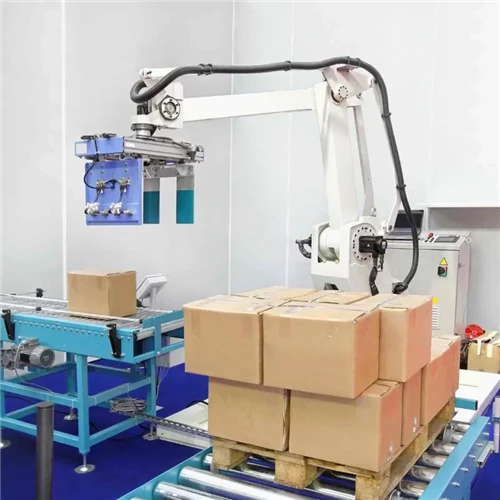
- Spare Parts Availability: Check the brands of core components. If the controller of the Robotic Palletizing Systems is a rare brand unavailable locally, a minor circuit failure could paralyze the production line for a month.
- The Fix: Evaluate the supplier's "After-Sales Roadmap." Prioritize service providers who have local partners, can provide a complete package of wear parts, and support 24/7 cloud-based online diagnostics.
7. Inadequate Shipping Protection (Rust and Poor Bracing)
The threats faced by heavy machinery during a transoceanic voyage are far beyond what you might imagine.
- Salt Spray Corrosion: High-salt air during sea freight can corrode precision rollers and blade shafts within weeks. If anti-rust treatment is inadequate, the machine may arrive covered in rust.
- Structural Damage: If a massive corrugated cardboard production line is not professionally braced inside the container, the tossing of the sea will cause micro-displacements in internal precision structures, which is fatal during subsequent high-speed operation.
- The Fix: Insist on "Export-Grade Vacuum Seaworthy Packaging" and check the fumigation certificates for wooden crates and the internal bracing plan.
8. Neglecting Paper Material Compatibility Testing
Fiber characteristics of base paper in China, Southeast Asia, North America, and Europe all differ.
- Paper Memory: Some automatic box gluing machines perform excellently during testing in China but may encounter issues like inaccurate folding or weak bonding when processing imported paper with different fiber lengths or humidity levels.
- The Solution: It is highly recommended to send samples of the base paper most commonly used in your local production to the supplier for actual production testing and capture high-speed operation videos as proof of performance.
Summary of Procurement Mistakes and Solutions (2026)
| Mistake | Risk Level | 2026 Solution |
| Focusing Only on Price | Critical | Analyze 5-year TCO and energy consumption. |
| HS Code Inaccuracies | High | Sync with brokers; ensure documents match. |
| Lack of After-Sales Support | Critical | Confirm remote AR diagnostics and global parts. |
| Ignoring CBAM/Carbon Tax | Medium | Choose IE4 motors and High-Precision Gluing. |
| Non-Compliant Certification | High | Demand UL/CE third-party test reports. |
| Poor Shipping Packaging | Medium | Insist on vacuum sealing and anti-rust oil. |
Building a Long-Term Partnership
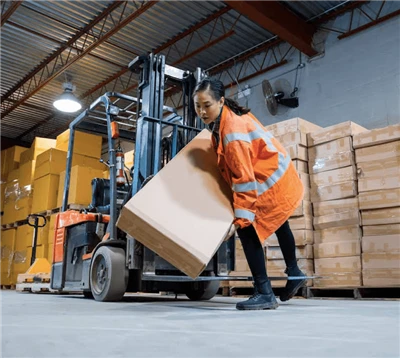
Importing advanced machinery from China is the best Labor Shortage Solution for box plants today. The technical integration capability-especially the seamless connection between the Thin Blade Slitter Scorer and Robotic Palletizing Systems-has reached a world-class level.
However, a successful import should not be a one-time transaction. By avoiding the aforementioned mistakes, particularly by emphasizing after-sales service and compliance, you ensure that every penny invested translates into real capacity. In 2026, the best buyers are not just picking machines; they are selecting a partner capable of providing long-term technical support and assisting the factory in its automated transformation.